
Why Our Approach Wins
- Problem: ~90% of drug targets fail due to weak human causal validation.
- Standard Fix: GWAS-supported targets show ~2× higher approval odds.
- Insight: Extreme phenotypes can break polygenicity and enrich rare causal variants.
- Impact: 1.5–2.6× higher successful target identification.
- Outcome: Lower attrition, higher probability of success, and ~40–50% lower cost per approved drug.
See the Evidence page for the full rationale and supporting narrative.
The Problem
Healthcare systems still spend most effort downstream, after disease has progressed. That delay limits outcomes and increases cost.
In drug development, weak human causal validation leads to high attrition, with roughly 90% of targets failing across the pipeline.
The Opportunity
Biobanks and population-scale genomics have made predictive risk modeling operational at real-world scale.
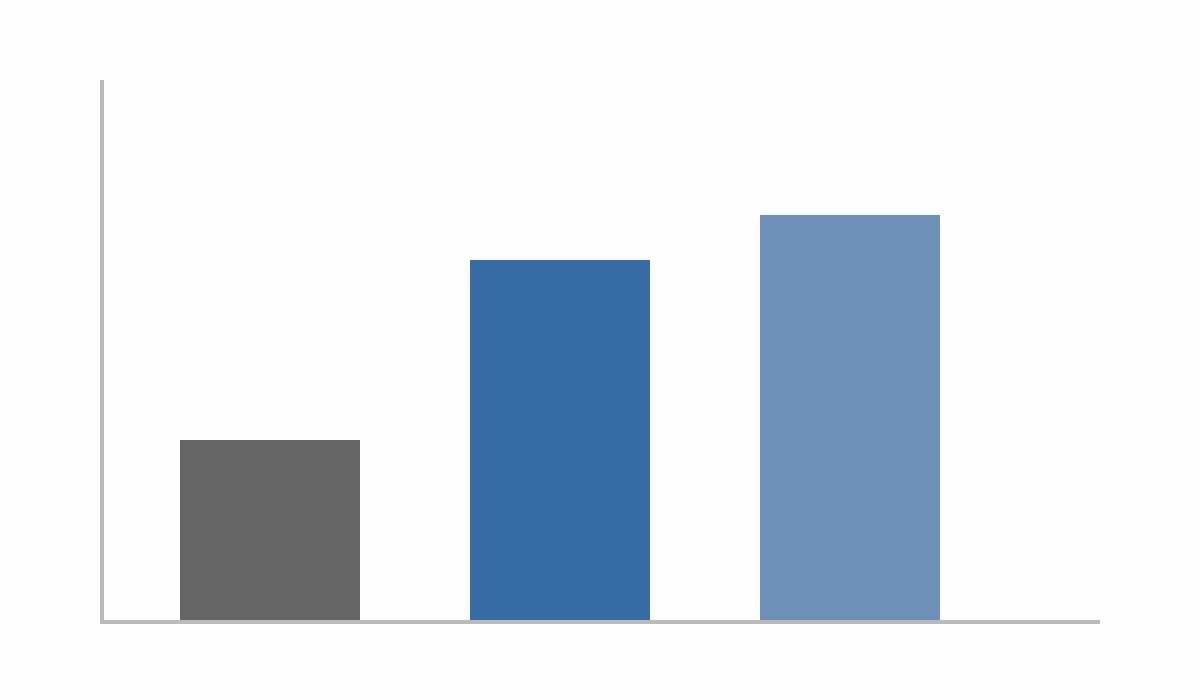
Targets supported by human genetics show around 2× higher approval odds; moving success probability from ~10% to ~20% can reduce expected R&D cost per approved drug by ~40–50%.
What We Build
Our platform combines polygenic risk, disease architecture, and age-dependent modeling to produce practical risk intelligence for prevention and discovery teams.
We extend standard GWAS workflows with extreme-phenotype enrichment, helping uncover high-impact causal signals that can improve target and biomarker decisions.
| Element | Role in prediction |
|---|---|
| Polygenic risk scores | Estimate baseline inherited susceptibility at population scale. |
| Extreme-phenotype enrichment | Prioritize individuals with genotype-phenotype mismatch to reveal stronger causal signals. |
| Age-dependent modeling | Translate static genetic risk into time-aware screening and prevention strategy. |
| Biobank-scale datasets | Support robust, reproducible calibration across populations. |
Why Teams Work With Us
- Move from reactive care to earlier, risk-informed intervention.
- Improve screening economics by matching pathway intensity to inherited risk.
- Increase confidence in discovery decisions with stronger human genetic evidence.
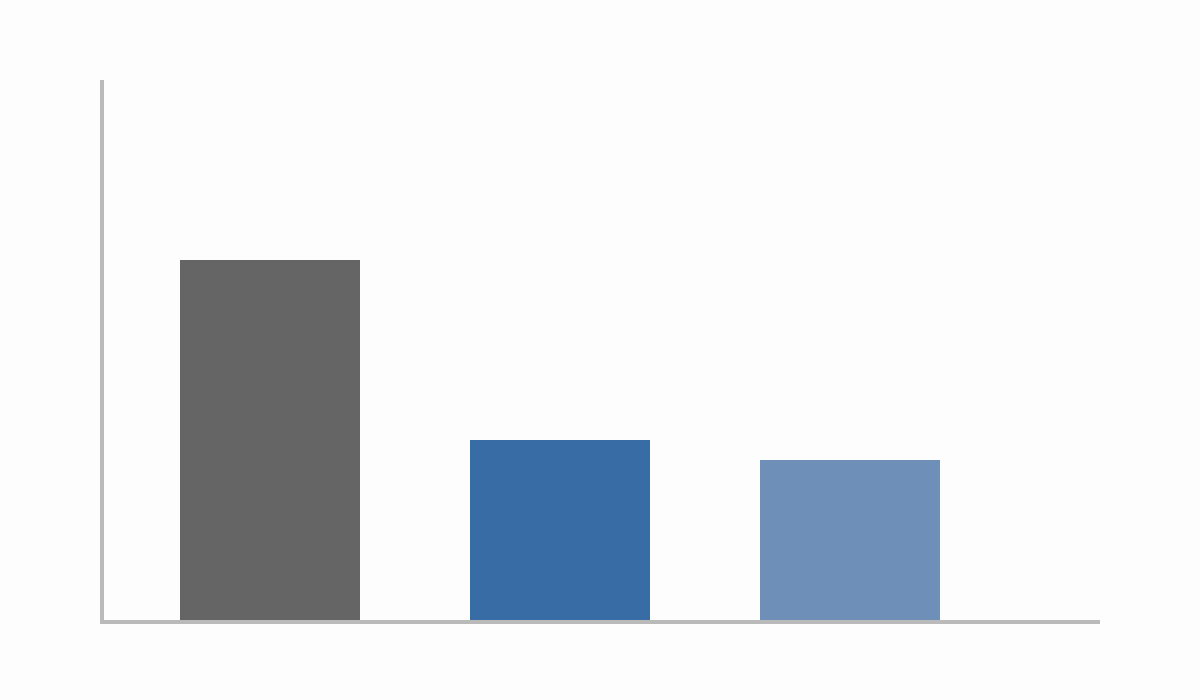
Even modest gains beyond standard genetics can compound into materially lower attrition and faster, more capital-efficient R&D.
Current Focus
We are working with collaborators in preventive medicine and therapeutics to validate genetics-first risk and target workflows in high-burden disease areas.